
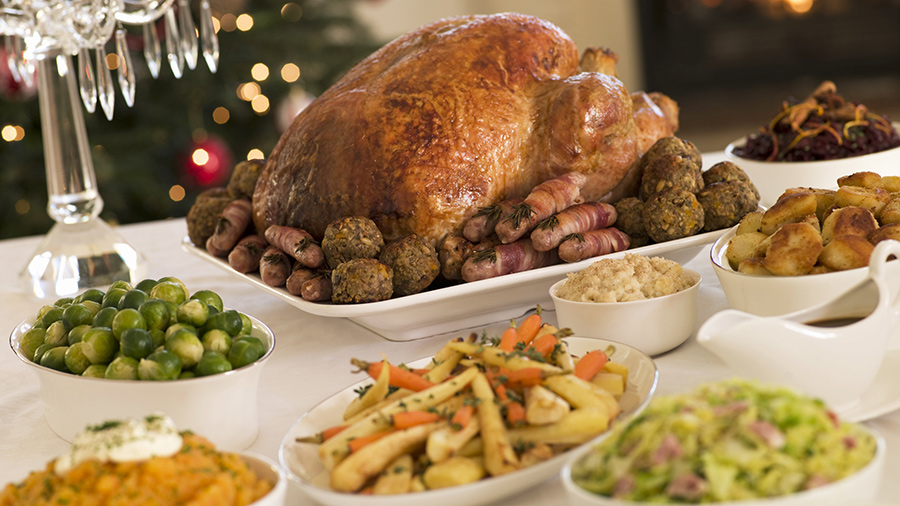
Operators will need to manage their spend on Christmas menus carefully in the face of consumer caution and an uncertain outlook for 2027, warns hospitality purchasing specialist Lynx Purchasing.
“By now, operators should have a clear idea of their overall level of Christmas bookings,” says Lynx Purchasing managing director Rachel Dobson. “The main challenges will be on the supply side. Not only whether operators can rely on supplies if they take further bookings from customers who’ve left plans late, but also uncertainty over whether the costs of core Christmas food products already on order might increase.
“The latest restrictions on poultry in Britain due to avian flu is cause for concern. It has the potential to affect availability of fresh turkey, and the situation can change quickly. Beef and salmon, both staples of Christmas menus, are very costly at the moment, and there are also new welfare concerns about farmed salmon. In contrast, although this year’s potato harvest was affected by the summer heatwave, supplies are reasonably good.”
The warning comes as Lynx Purchasing publishes the Winter 2026 edition of its regular Market Forecast. The report uses exclusive insight from the range of suppliers that Lynx works with, as well as official inflation data, to look at food and drink pricing in the run-up to the crucial Christmas trading period.
Dobson continued: “The supply chain has proved to be resilient, and Christmas orders already placed with suppliers should be secure, although some pricing may be volatile. However, if there are last minute booking requests, operators may be cautious in terms of the need to place additional orders with suppliers at a time when margins are already under pressure, as well as meeting the cost of additional staff.”
Product areas flagged up in the latest Market Forecast include:
- Poultry: Avian influenza prevention zones have been imposed in both England and Scotland, meaning poultry flocks must be kept inside. With the potential for outbreaks and movement restrictions remaining a concern, some suppliers have frozen birds early to ensure availability. Fresh supplies have more potential to be disrupted, with early orders advised to secure available stocks.
- Beef: Lower cattle numbers continue to keep beef supplies tight, and higher feed costs due to the summer heatwave have deterred the industry from increasing stocks too quickly. Beef is likely to remain a premium menu option across the winter.
- Salmon: The Soil Association has withdrawn its certification of organic farmed salmon over environmental and welfare concerns, although the industry insists its standards remain high.
- Potatoes: The potato crop in both Britain and Europe was reduced by the summer heatwave, although the UK actually has better availability than countries including Germany, Grance and the Netherlands. The size and appearance of some supplies may vary, but the overall quality of fresh potatoes is good. Prices for frozen products, many of which are produced in Europe, are likely to be higher.
- Vegetable oil: Oil prices remain high, with lower exports of sunflower oil from Ukraine increasing pressure on other supplies. Vegetable oil, in common with commodities such as wheat and sugar, is traded globally and widely transported, meaning pricing is more affected by higher fuel and shipping costs. This also has an impact on many manufactured food products.
Dobson adds: “Attention now needs to firmly focus on the first few months of 2027, when consumer confidence is likely to remain low over concerns about interest rates, food inflation is forecast to increase, and the impact on global supply of the extreme El Niño will start to become apparent.
“Commodities such as cooking oil, wheat and sugar are likely to see sharp price increases, which also impacts the cost of a broad range of manufactured food products, while staples such as coffee and fruit juice, which are already under pressure due to climate change, are also likely to be impacted.
“As ever, the best advice is to work with suppliers to make the most of available produce, buy as locally as possible to help mitigate the impact of higher distribution costs, and to keep menus flexible wherever possible.”
A free copy of the Winter 2026 edition of the Lynx Purchasing can be downloaded from the website at www.lynxpurchasing.co.uk. A free guide, The Seven Habits of Highly Effective Purchasing Teams, is also available on the site.
Ends
About Lynx Purchasing
Lynx Purchasing is one of the UK’s leading independent purchasing companies, specialising in the hospitality, leisure, education, and care home sectors. It manages almost 2,500 accounts, helping operators and organisations buy better, get better prices, and save time and money every day. Lynx Purchasing delivers a bespoke purchasing service that focuses on value, as well as quality and price. Its suppliers are industry leaders across all categories with whom Lynx Purchasing has strong relationships built over many years.
Issued on behalf of: Lynx Purchasing
By: ShielPorter Communications