
Market Forecast
Summer 2026
Waiting For The Storm
Higher inflation is on the way, the only question is: when will it hit?
The sharp rise in fuel costs as a result of the conflict in Iran and the surrounding region means hospitality operators now face yet another period of uncertainty which is expected to be followed by significant price increases.
The pressures are already being felt throughout the supply chain, and are set to escalate.
For suppliers and wholesalers, the immediate challenge is how to mitigate costs without imposing menu price increases. While some have added a delivery charge or fuel surcharge, others have reduced the number of days they deliver, particularly earlier in the week when demand is lower. Other tactics include offering fewer delivery slots each day, and increasing the required minimum spend per order.
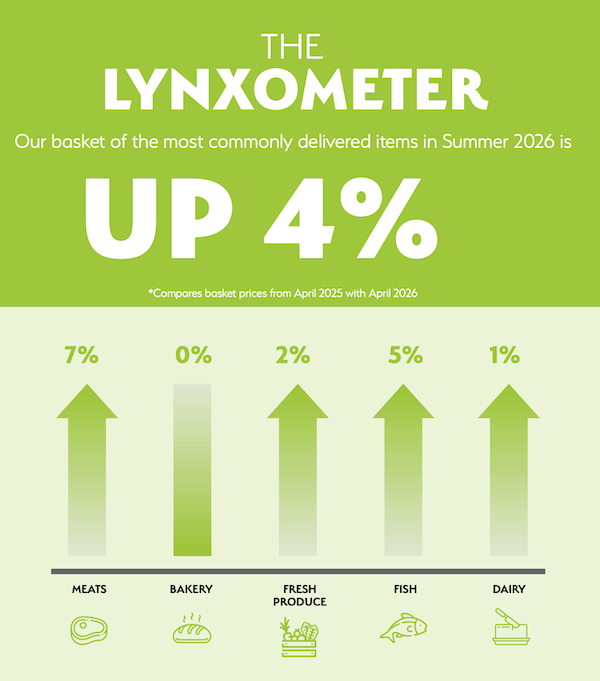
In the months ahead, the effect of increased costs will be seen in higher prices for fresh produce, manufactured and frozen food, and non-food items.
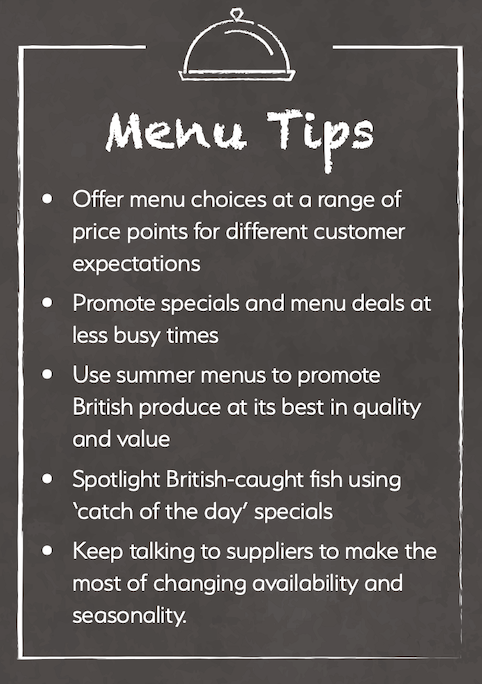
The better news is that as we move into summer, more high-quality British produce becomes available, enabling operators to plan menus around seasonal dishes.
All of which means that operators will need to be more organised when it comes to planning and placing orders.
Improved buying discipline is always good practice; it improves sustainability, and is one way that hospitality businesses can make an impact on the bottom line despite global pressures.
With the Bank of England now forecasting rising inflation across this year and into 2027, working with suppliers to make the most of produce when it’s at its best in terms of quality and value, will help mitigate the inevitable higher costs.
The Good
- More British produce coming into season
- Favourable weather boosted UK production
- Global uncertainty means more staycations
The Bad
- Higher fuel costs impacting prices
- Bank of England forecasting higher inflation
- Consumer confidence still low
Menu Watch
Consumers are increasingly turning to familiar flavours and dishes in uncertain times, according to analyst Mintel. This can be as simple as sticking with a favourite flavour of crisp or takeaway sandwich, but also extends to the reassurance of opting for classic dishes on menus.
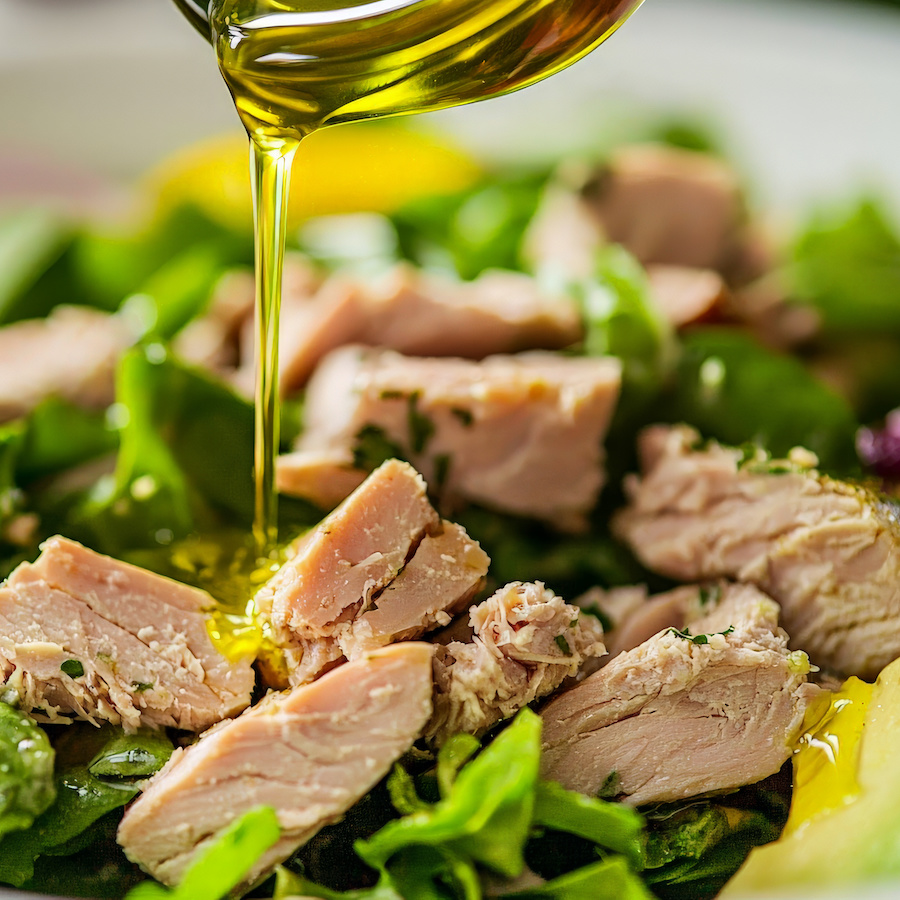
While the proportion of vegans and vegetarians in the population has stayed broadly stable, the number identifying as flexitarian is growing, according to research by Euromonitor. The wider choice of tinned fish now available is one factor helping to drive interest in seafood dishes on menus.
While conventional restaurants face continued pressure, figures show that the number of food halls across the UK continues to grow. The increased choice and perceived value for money appeals in particular to groups of younger consumers eating out together.
COFFEE
Coffee prices have risen considerably over the past year, and rising inflation will continue to have an impact. Fortunately, the out-of-home coffee market seems relatively resistant, with many consumers seeing their daily coffee as an affordable treat.
POULTRY
Europe is still seeing outbreaks of bird flu in various countries, while higher fuel prices are already having an impact on the cost of chicken fillets and other processed chicken products, which are mainly imported. British chicken prices are stable, but the situation can change quickly.
FISH
The sharp increase in fuel prices has seen many fishing vessels in Britain, Europe and beyond either reduce time at sea, or stay in port. The effects of this will become more visible when frozen supplies run down and demand pushes prices up. Where available, fish from British waters, such as plaice, hake and lemon sole, are likely to be the best value and quality.
FRUIT
UK-grown soft fruits such as strawberries and raspberries are already good quality with supplies increasing as summer gets underway Home-grown blackberries and cherries will follow. Southern European imports of peaches and nectarines are good options for summer desserts and cocktails.
VEGETABLES
Wet weather in Spain and southern Europe has affected the availability of produce such as cabbage and broccoli. Prices are likely to stabilise as UK supplies become more widely available from June onwards. The warm and drier weather in the UK in late spring is generally good news for UK growers, but some produce, such as cauliflower, may have minor quality issues.
DAIRY
The price paid to dairy farmers has fallen over recent months. While this helps manage food costs in the short term, the number of dairy producers considering exiting the market as their costs increase is likely to cause problems in the longer term.
BEEF
While prices for British beef remain very high, the market is more stable compared to rising costs for Australian and South American beef, due to high demand in US markets. Offering British beef as a premium menu option may represent the best value for operators.
SALADS
Imported lettuces from southern Europe have been affected by quality issues, while in contrast Dutch tomatoes have been very high quality. UK supplies will start to become widely available from June onward, making salad a strong menu option.
LAMB & PORK
Although the peak spring season for English lamb has passed, prices have stayed high, putting most lamb cuts at a premium. Lamb imports remain low due to demand from other markets. In contrast, pork prices are currently quite stable, making pork a more reliable option when menu planning.
WINE
English wine producers are expecting a good year in terms of both quality and quantity. However, with much of Europe still experiencing a wine surplus, suppliers will be offering good quality wines at a range of price points, which may make English wine a more expensive option.
OIL
Although edible oils are in relatively good supply, demand from the biofuel industry means pricing is linked to the volatility of fuel prices. Combined with rising transport and packaging costs, this means oil price inflation seems inevitable as global uncertainty continues.
POTATOES
The new season’s potatoes have been good quality overall, and British producers are expecting high quality and availability across the summer and into autumn. The impact of higher fuel costs will be felt most strongly in frozen potato products, much of which are imported.
Inflation
The headline rate of inflation in the UK fell to 2.8% in April, following government intervention to reduce domestic fuel bills. However, the Bank of England is forecasting significantly higher rates of inflation by the autumn. Food sectors seeing high rates of increase in the latest figures include beef +13.5%, fresh fish +9.6%, fresh vegetables up +4.9% and coffee +6.3%, while restaurant meals were up +5% in March.
Share this Market Forecast
- Seasonality Guide
IN SEASON
- Plaice
- Lemon Sole
- Monkfish
- Sardines
- Hake
- Native Lobster
- Crab
- Broad Beans
- Heritage Tomatoes
- Courgettes
- Raspberries
- Cherries
- Seasonality Guide
IN SEASON
- Plaice
- Lemon Sole
- Monkfish
- Sardines
- Hake
- Native Lobster
- Crab
- Broad Beans
- Heritage Tomatoes
- Courgettes
- Raspberries
- Cherries