
Market Forecast
Spring 2026
Discipline Key to Spring Menu Profits
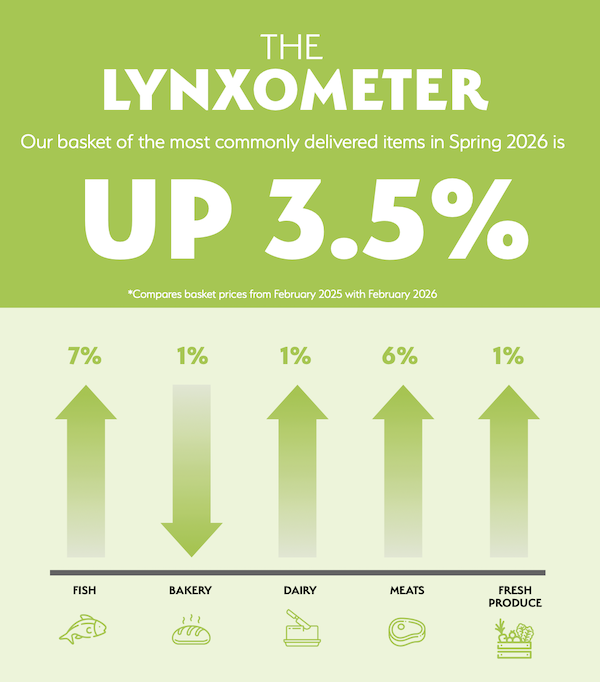
The headline inflation rate is proving stickier than some analysts predicted, with higher food costs a factor in continuing price hikes. Even so, the inflation rate is forecast to move closer to the target 2% inflation rate across the spring and into summer.
We’re starting to see a downward pricing trend on many core commodity lines, including dairy, wheat, sugar, cocoa and fruit juice. As this filters through, hospitality operators should see food bills overall come down. An organised, disciplined approach to purchasing and menu planning is needed to keep customers engaged while making the most of changing availability.
One way to manage the food budget is to strike a balance between ‘hero products’ which genuinely make the menu stand out for customers, and commodity items where it makes more sense to look for the best value for money.
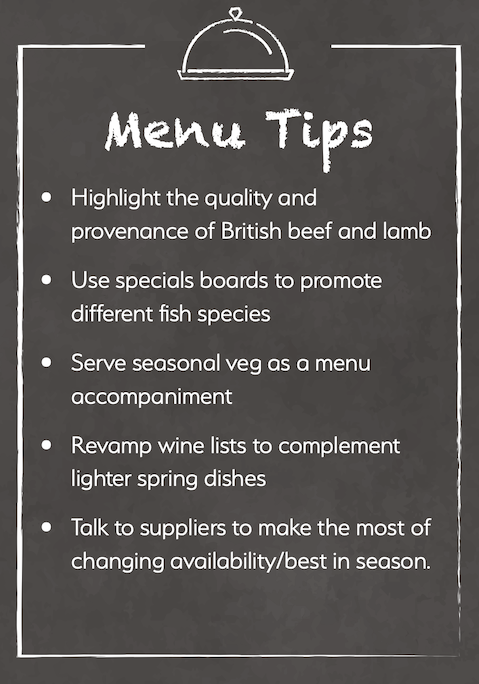
For example, a premium, locally-sourced steak, or a locally-produced cheese may cost more, but spotlighting the provenance on the menu adds appeal for customers. In contrast, offering ‘fish and chips’ as a menu description means a range of white fish can be used.
However, prices may still be impacted by the widespread freeze across much of the UK at the start of 2026, which was followed by prolonged wet and stormy weather.
This all combines to make British producers nervous about the impact on both crops and livestock. Produce is likely to be delayed and damaged. Equally, the wet weather affects the availability of feed for cattle, while spring lambs are vulnerable to the cold. Working with suppliers to make the most of changing availability, and using produce at its best in terms of quality and value, can help operators manage costs in a competitive market.
The Good
- Inflation forecast to fall through the spring and summer
- Mothers’ Day and Easter create marketing opportunities
- Many commodity products becoming better value
The Bad
- Higher inflation continues in key categories - meat, eggs and oil
- Consumer confidence still fragile
- Impact of wet and cold weather on UK crops
Menu Watch
Potatoes are making a comeback, with a jump in the number of new jacket potato operations springing up, offering a range of toppings as takeaway and lunchtime options. Upmarket sides such as pommes boulangère and pommes dauphine are also increasingly popular.
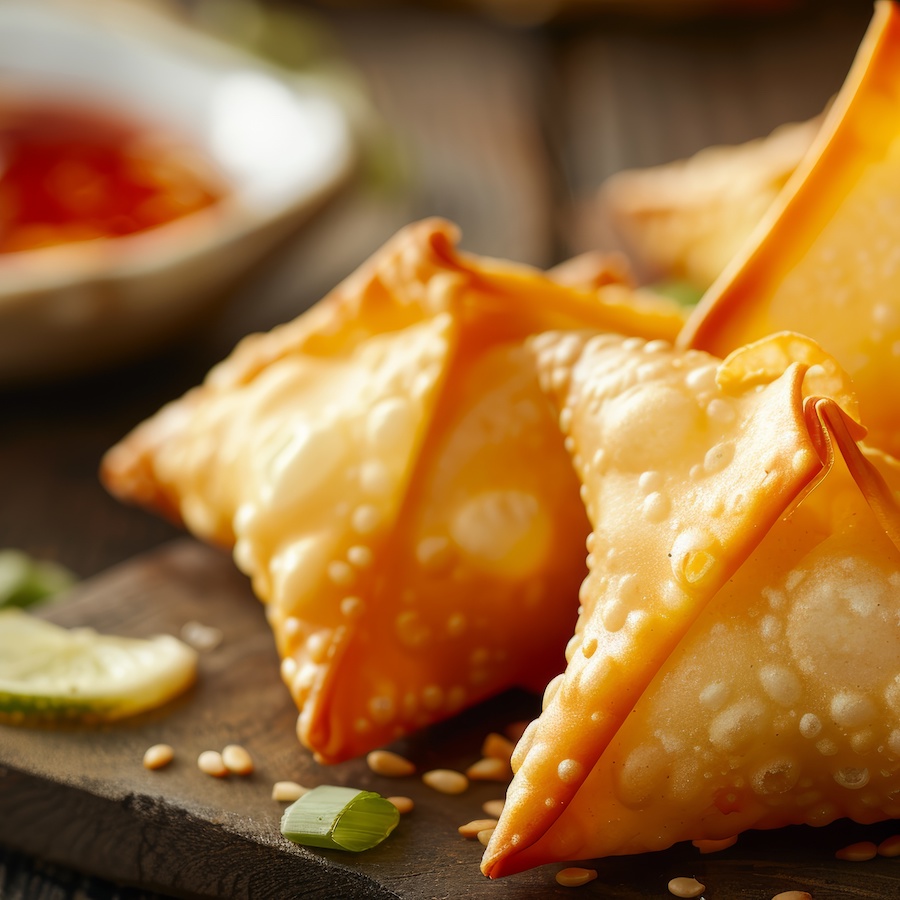
Asian flavours are finding their way onto bar snack menus, with chefs creating authentic, freshly cooked versions of dishes such as sesame prawn toast and wantons, as well as less familiar dishes such as crab Rangoon, to serve with a cold beer.
With consumers still in cautious mode, restaurant analysts on both sides of the Atlantic forecast that comfort food and familiar dishes will continue to be a big factor on menus. However, people still want to show off their meals, so chefs need to ensure dishes such as pies and roasts look good on social media.
BEEF
UK beef prices were the most expensive in the world in 2025. Beef continues to be a premium menu option, as demand outpaces supply. Prices are expected to remain high across all cuts, and operators should spotlight the high quality and animal welfare standards when promoting British beef.
SALADS
Spain, which supplies significant amounts of salad crops at this time of year, has seen challenging weather conditions slowing the growth of produce including cucumbers, peppers, tomatoes, aubergines, courgettes and, in particular, iceberg lettuce. Salad prices are likely to remain high up to Easter, when UK crops start to become available.
LAMB
Lamb is a popular dish for Easter menus, but high demand pushes up prices. Hospitality operators will be in competition with retailers for available supplies as the Easter weekend approaches. Offering slow roast and Mediterranean spiced lamb dishes is a way to use cuts that are less in-demand.
WINE
Wine drinking at home is declining in
the UK and beyond, which is attributed
to changing lifestyles and more single- person households. US tariffs have also reduced exports from European producers. Increased availability creates more opportunities for operators when it comes to sourcing wines.
VEGETABLES
Wet weather and poor light at the start of 2026 slightly delayed the growing season in the UK and Europe, but colder weather also builds sugar levels in root vegetables including carrots, swede, parsnips and beetroot, adding depth of flavour. Brassicas such as broccoli, kale, and savoy and red cabbage remain good quality menu options, and if the weather is kind UK asparagus and Jersey Royals will be high quality.
DAIRY
Eggs continue to rise steadily in price as a consequence of continuing outbreaks of avian flu globally. Milk production has lagged behind demand to an extent, but overall dairy prices are starting to come down.
COOKING OILS
Global demand for oil for biofuels is keeping cooking oil prices firm. Suppliers will be hoping for good harvests of both rapeseed and sunflower this summer, but in the meantime, operators should budget for continued high prices.
POTATOES
Supplies of the 2025 potato crop are still good quality and value, but will start to run down as this year’s harvest approaches. The availability of new potatoes in spring may be delayed as a result of the storms and wet weather that affected the UK and northern Europe in January, but growers should soon make up any lost ground.
COFFEE
Coffee is one of the crops most vulnerable to climate change, and prices have been high again on the commodity markets at the start of 2026. Operators who can lock in supply deals are likely to benefit from price stability.
CHICKEN
Poultry prices rose significantly last year due to increased feed and transport costs, as well as the impact of avian flu globally. This affects processed and frozen products, as well as fresh chicken. While feed costs are reducing, the market is likely to remain volatile.
FRUIT
After a bumper crop last autumn, UK apples and pears still offer good quality and value. Imported citrus from the Mediterranean is at its best, with oranges, lemons and clementines high quality this spring. Yorkshire forced rhubarb is available through March, before the full season’s crop kicks in.
FISH
Prices for smaller cod and haddock fillets have increased as operators compensate for higher costs, and lower cod quotas will push prices up further this spring. Cold winter weather means salmon will be smaller, and so more expensive, and mackerel will cost more until new quotas start in May. Higher labour costs have pushed up prices for processing crab and all related products.
Inflation
The headline inflation rate fell to 3% in January 2026, with dips in the inflation rate for food and fuel a factor. Products continuing to see higher rates of increase included beef up 24.7%, lamb up 4%, pork up 7%, chocolate up 12%, and coffee up 6%. Restaurant meals were up 5.1% as operators passed on cost increases.
Share this Market Forecast
- Seasonality Guide
IN SEASON
- Monkfish
- Hake
- Turbot
- Wild Garlic
- Heritage Tomatoes
- Brill
- Jersey Royal Potatoes
- Asparagus
- Rhubarb
- Seasonality Guide
IN SEASON
- Monkfish
- Hake
- Turbot
- Wild Garlic
- Heritage Tomatoes
- Brill
- Jersey Royal Potatoes
- Asparagus
- Rhubarb