
Market Forecast
Autumn 2026
Summer's Long Shadow
The long, hot, dry summer of 2026 may be behind us, but as the hospitality sector puts away its parasols, it’s becoming increasingly clear that the weather’s impact on the supply chain will be with us up to Christmas and into 2027.
Farmers and producers are still counting the cost of the extremely high temperatures and minimal rainfall from June to August as they assess the impact of extended drought conditions on this autumn’s harvest. Hospitality industry suppliers are already warning of problems ahead in a variety of key product areas. Basically, heat and draught affect the size, appearance and overall quality of many crops. Pests also thrive in hot dry conditions, which reduces crop yields.
Crops grown for animal feed have also been affected, which will have an impact on meat production. Operators planning menus for autumn will have to budget for higher prices across many core menu items.
While it’s not all bad news – fruit and berries have done better and English wine is forecast to be very high quality this year – the challenges facing hospitality supply are real. Operators will face competition for available supplies from both retailers and food manufacturers, pushing up costs.
As always, suppliers and producers will pull out the stops to meet demand, extending growing seasons where possible and sourcing produce from further afield. But the combined impact of Europe’s hot summer and the continued disruption in the Gulf are expected to push up food inflation levels this autumn.
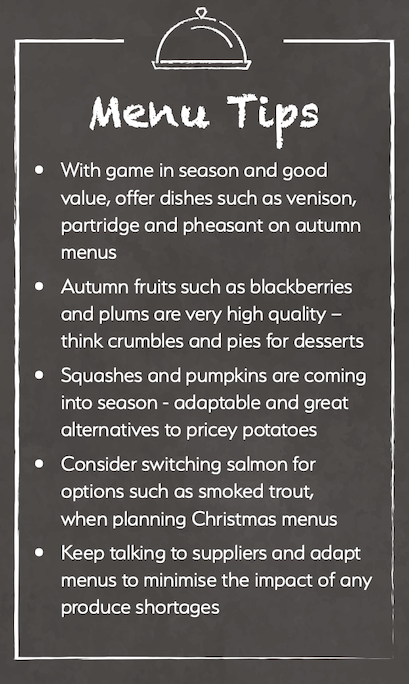
Festive menu plans will need to factor in higher costs for traditional accompaniments such a roast potatoes, parsnips and sprouts, alongside the cost of meat or fish as the main protein.
The best advice is to manage purchasing carefully, order early and work with suppliers to plan menus around produce that’s offering the best quality and value.
The Good
- Hot summer a bonus for fruit - so good news for English wine
- Hospitality optimism increased across the summer
- Suppliers are sourcing from a broader range of producers
The Bad
- Higher fuel costs push up prices
- Many products in short supply and lower quality due to weather
- Unpredictable supply makes menu planning difficult
Menu Watch
Driven by social media, Japanese-style milk bread buns are one of the latest trends in UK restaurants. Chefs are said to be switching their baking from sourdough because the soft, buttery milk buns are quicker to make and work well with both sweet and savoury fillings.
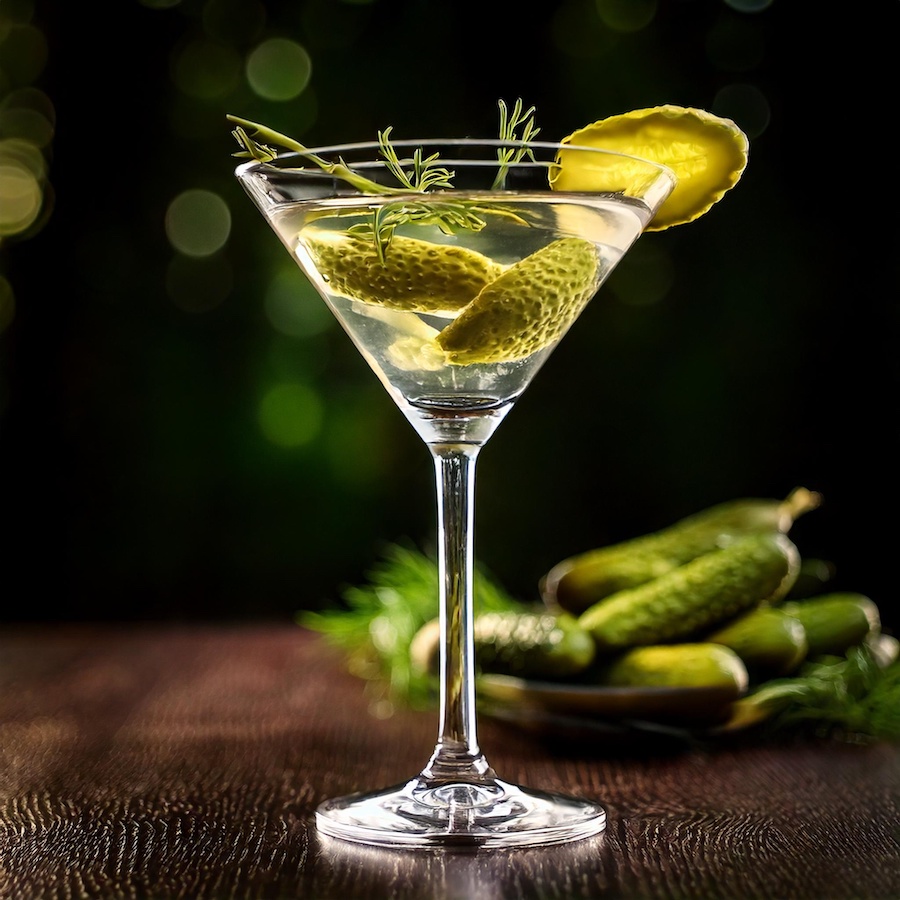
Another social media trend finding its way into restaurants is the rise of the once- humble pickle. From gherkins to cornichons, pickles are moving out of the burger bun to become featured players in a range of dishes, as well as pickle juice being used in cocktails and mocktails.
Portion sizes are getting smaller, according to a report by eating out analyst Vypr. Consumers say they are looking for smaller meals when it comes both to going out to restaurants for a treat, and ordering in takeaways. One reason is said to be the growth in use of weight loss drugs, with menus which highlight dishes suitable for smaller appetites performing well.
FISH & SEAFOOD
Changing sea temperatures have an almost immediate effect on the quality and diversity of fish caught in British waters. Fresh fish prices have spiked due to lower availability of the most in-demand species, as well as quota restrictions. Frozen and farmed fish are likely to be a more stable option pricewise across the autumn. With high demand for salmon from markets including China, farmed salmon prices are expected to be high in the run-up to Christmas.
DAIRY
Prices for milk and cream are expected to be higher as autumn gets underway, due to relatively low cattle numbers and higher feed costs. This will work through into higher butter prices, as well as the cost of manufactured and frozen food products that use cream and butter. High demand for fresh milk also means less availability for cheese production.
WINE
The wildfires in France and Spain during the summer heatwave caused some damage to vineyards, and California has also seen fire damage in wine producing areas. While the areas affected are relatively limited and the summer has generally been kind to the grape harvest, damaged vines take years to recover, and the industry is generally worried about the impact of climate change.
VEGETABLES
Almost every vegetable category has been affected by the hot, dry conditions. Brassicas, with their delicate leaves, are particularly vulnerable to sun damage and shrinkage. Broccoli, cabbage and kale have all been affected, with cauliflower in particularly short supply at the end of the summer. Late planting of Brussels sprouts is likely to affect availability in the run- up to Christmas.
POULTRY
Turkey production this year will be affected by higher feed costs, but suppliers generally expect prices and availability this Christmas to be broadly in line with last year. The biggest variable remains avian flu, which could restrict supplies and so push up costs.
FRUIT
Summer berries performed well this year, with rain in the spring followed by plenty of sunshine helping them to ripen early, often with intense levels of sweetness. Frozen berries are now good value, and autumn fruits such as apples and pears will be high quality too.
COFFEE
In the UK, the media has reported the arrival of the £6.50 flat white, and in the US it’s the $10 connoisseur coffee. While rising prices are a concern for operators, consumers seem reluctant to give up
on coffee, but challenging harvests will continue to push up prices.
UTILITIES
The continued impact of the war in the Gulf and the resulting increase in fuel and energy prices is a big factor in the headline rate of inflation, while the effect on transport costs has to be factored into the price of almost every purchase. Operators able to renegotiate energy deals or approaching the end of contracts should consider the benefits of switching supplier where possible.
POTATOES
The hot dry summer has hit the potato crop particularly hard. Size, quality and availability are all impacted. Many growers lost most or all of their crop, and those potatoes that have been harvested are typically lower in quality. With both supermarkets and frozen manufacturers competing for supplies in the UK and Europe, hospitality operators risk getting squeezed on price, quality and availability.
BEEF & PORK
UK beef remains at historically high prices, with available cattle below the level of demand for processing. Prices rose sharply across the summer for steak cuts, and autumn is likely to see higher demand for roasting joints. Pork is better value, but prices are also firm. Operators pricing their Christmas menus should talk to suppliers about the best options.
SALADS
The hot dry summer and sporadic wildfires have affected European production and supply, and the continued effects of climate change are a concern. Sainsbury’s has already announced a long-term deal to source more British tomatoes, cucumbers and peppers, and as other supermarkets follow suit, hospitality operators should prepare for price increases and availability issues until supplies recover.
OIL
Media reports have focused on the negative impact of the heatwave on southern Europe’s traditional olive groves, however the effect on all cooking oil crops is profound. Combined with continued uncertainty over sunflower exports from Ukraine, costs for all cooking oils are expected to be high.
Inflation
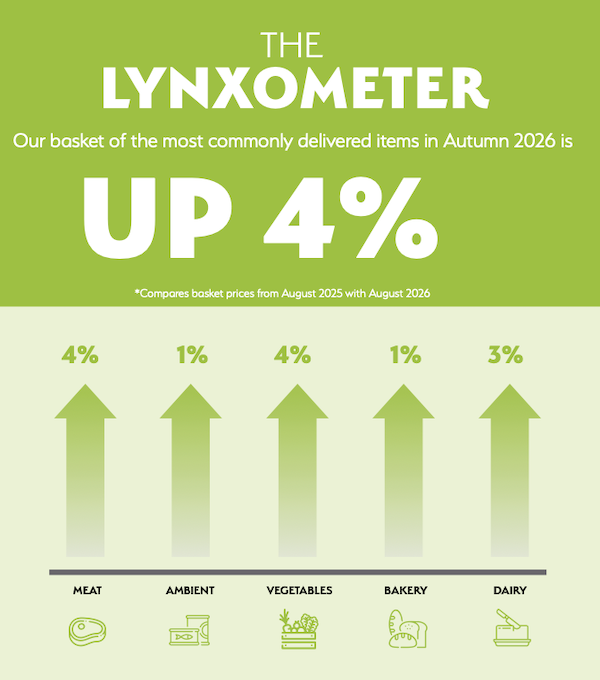
The headline rate of inflation in the UK increased in August, up to 3.1%, mainly driven by continued high fuel prices due to the conflict in the Gulf. Food sectors seeing high rates of increase include fresh fish up 10.5% and fresh vegetables up 3.3%. Restaurant meals were up 4.9% in August as operators passed on some of their increased purchasing costs.
Share this Market Forecast
- Seasonality Guide
IN SEASON
- Mussels
- Palourde Clams
- Smoked Haddock
- Lemon Sole
- Coley
- Brill
- Autumn Squash
- Plums
- Apples
- Pears
- Parsnips
- Rainbow Chard
- Jerusalem Artichoke
- Kale
- Seasonality Guide
IN SEASON
- Mussels
- Palourde Clams
- Smoked Haddock
- Lemon Sole
- Coley
- Brill
- Autumn Squash
- Plums
- Apples
- Pears
- Parsnips
- Rainbow Chard
- Jerusalem Artichoke
- Kale